
Researchers in Japan have developed a hydrogel-based electrode designed to keep insect antennae functioning longer when used as drone-mounted odor sensors—a potential building block for systems that locate gas leaks, environmental hazards or disaster victims.
The Shinshu University and Chiba University team’s central problem is biological rather than aerodynamic: once an antenna is removed from a silkworm moth and mounted on a mobile robot, it gradually dries out. That drying can weaken the electrical signal and make the connection between the antenna and sensor unstable.
The new electrode combines a water-retaining hydrogel made with a food gelling agent, a conductive gel, gold-plated electrodes and a 3D-printed frame. The hydrogel supports the junction between the antenna and conductive gel while helping retain moisture, according to the report on the research.
In indoor, room-temperature testing, an electroantennogram sensor using a silkworm moth antenna retained more than 92% of its initial response seven hours after the antenna was excised. A conventional metal electrode, by comparison, fell below 50% of its initial response after four hours. The researchers also used electrochemical impedance measurements to assess whether the electrical coupling remained stable over time.
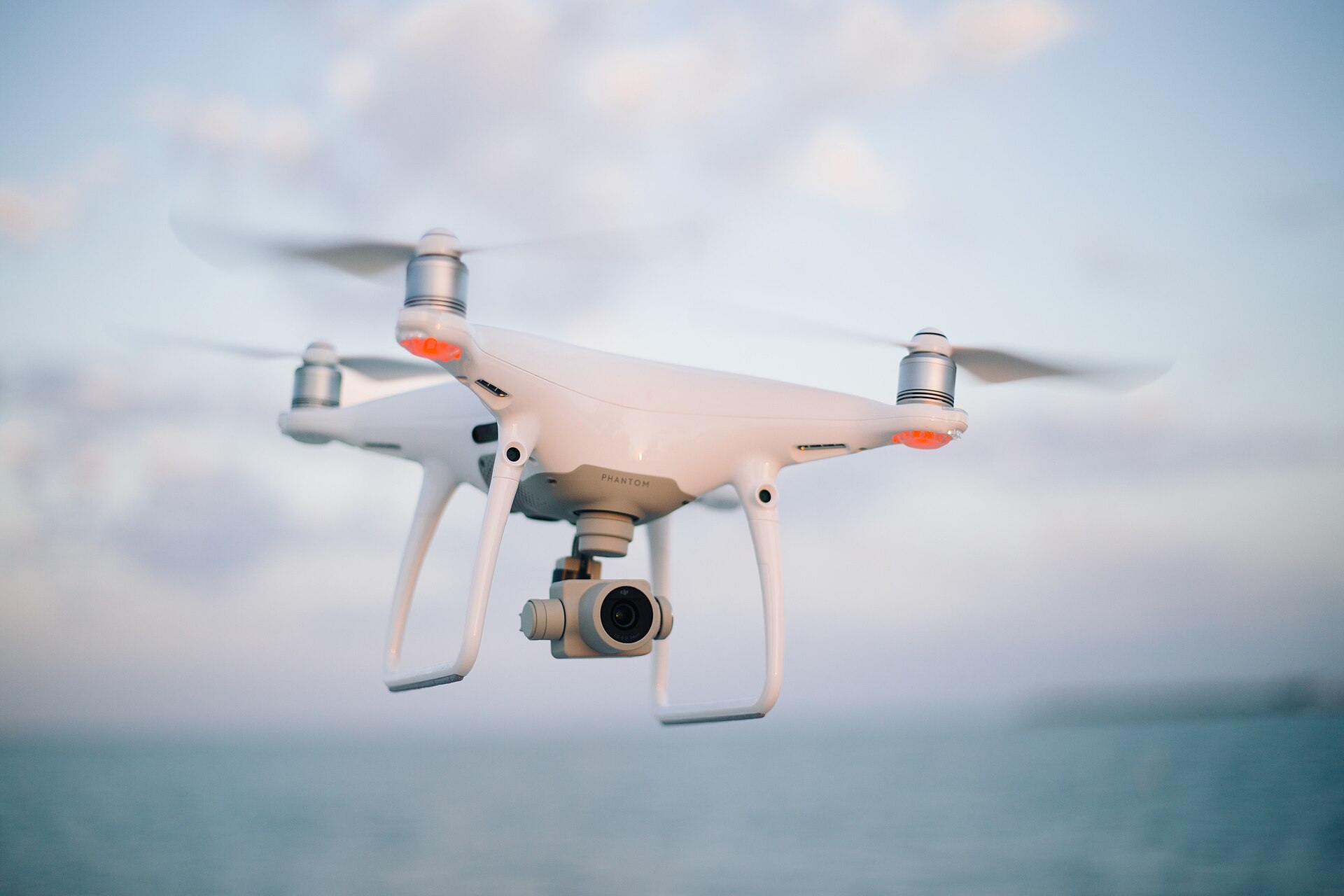
The team then mounted the sensor on a small drone. During hover, the antenna continued to detect odor signals, and those signals were used in a simple closed-loop demonstration to command the drone to move forward.
The researchers identified disaster-victim searches, gas-leak detection and environmental monitoring as possible future applications. The reported test, however, does not establish performance in outdoor conditions, flight endurance, regulatory suitability or readiness for operational deployment. No commercial drone product or service was announced.
The work was led by Shinshu University associate professor Daigo Terutsuki and Chiba University associate professor Toshiyuki Nakata, with Shinshu graduate student Rena Omori as lead researcher. The findings appeared in Sensors and Actuators B: Chemical on July 2, 2026, and Chiba University issued a release on July 16, according to the report.